
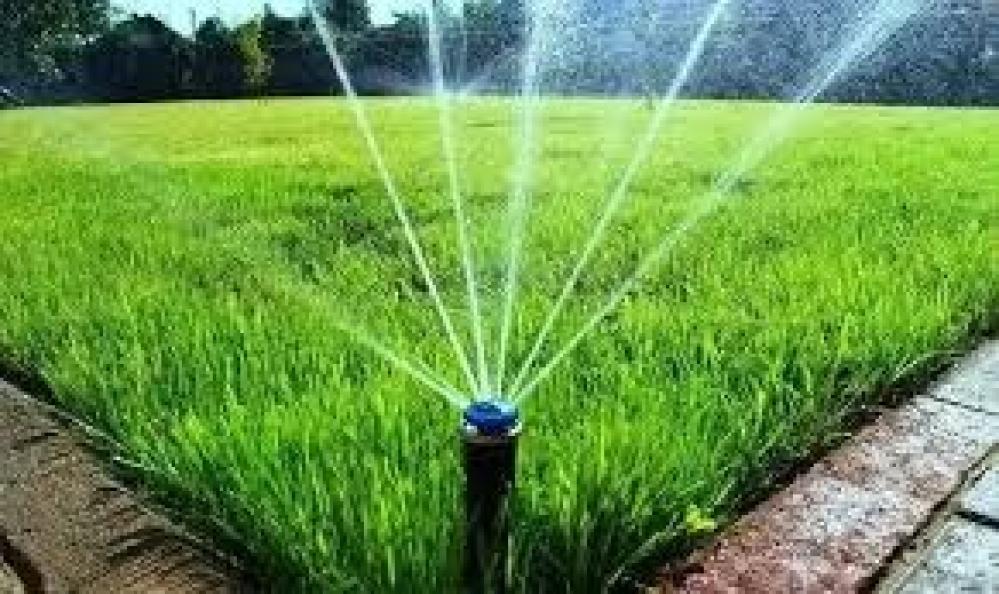
Given the water challenges facing Saudi Arabia and the Gulf region, adopting modern irrigation systems has become essential for every farmer, landowner, or even home gardener. Traditional irrigation methods are no longer viable, both in terms of water consumption and efficiency of water distribution to crops. This is where sprinkler irrigation systems come in, mimicking nature's water distribution and ensuring that moisture reaches the largest possible area with high efficiency. In this comprehensive guide, we will take you step-by-step through the process of installing a sprinkler irrigation system, from understanding its components and design phases to hydraulic calculations, installation, and maintenance, along with exclusive tips tailored to the hot desert climate.
What is a sprinkler irrigation system and how does it work?
A sprinkler irrigation system is an integrated engineering system designed to distribute water to agricultural areas in a manner similar to rainfall. The concept relies on pushing water under pressure through a network of pipes to exit from specialized nozzles (sprinklers), where the water is broken into small droplets that fall onto the plants and soil.
This system is an ideal solution for large green spaces, vegetables, and some types of field crops, as it ensures:
- Even coverage: uniform distribution of water without pooling or dry patches.
- Cooling the air: Raising humidity around plants in very hot weather.
- Improved crop growth: Water reaches all parts of the plant, refreshing the leaves and helping them in the process of photosynthesis in the early morning.
You may be interested in: Types of modern irrigation
Components of a sprinkler irrigation network
You need to familiarize yourself with the main components of the system. The quality of these components is crucial to the network's lifespan and efficiency, and Al-Talib Store offers the best options for this.
pump
The pump is the heart of the system, responsible for drawing water from the source (well, reservoir, or public network) and pushing it through the pipes at sufficient pressure to operate the sprinklers. Pump selection depends on the land area and pressure and flow calculations.
filter
An element no less important than the pump itself, the filter is the first line of defense against impurities, sand, and dirt that can clog the nozzles of fine sprayers. Installing a suitable filter protects the entire system from premature failure.
PVC pipes
The channels that transport the water. Their diameters vary according to their role; the main lines transport the water from the pump to the field areas and have large diameters, while the submain lines and lateral lines transport the water directly to the sprinklers.
Valves
These are the system's control gates. Examples include manual control valves for opening and closing lines, solenoid valves for connecting to a control unit to automatically open and close lines according to programming, and air relief valves, which are installed at high points to remove air from the network, as air can cause blockages and impede water flow.
Sprinklers
It is the final outlet for water, and it comes in different forms and operating modes, and we will dedicate a separate section to it.
Controller
The system's mastermind is an electronic device programmed to determine the days, times, and duration of irrigation for each set of sprinklers, saving you the trouble of manual operation.
Shop now for irrigation network supplies at Al Talib Store
Types of sprinklers in irrigation networks
The choice of sprinkler type depends on the shape of the area to be irrigated and the type of plants. Some types of sprinklers used in irrigation systems include:
- Fixed (or pop-up) sprinklers: Ideal for small to medium-sized spaces such as home gardens and lawns. They spray water at a constant angle, appear from the ground when switched on, and disappear when switched off, maintaining an aesthetically pleasing appearance.
- Rotating sprinklers (Rotors): Suitable for very large areas such as stadiums and public parks. They rotate 360 degrees or at partial angles and spray water in powerful jets to reach long distances.
- Sprinkler guns (Big Guns): Used in large agricultural projects and open fields. They deliver massive amounts of water in the form of heavy rain and cover distances that can reach 50 meters or more.
- Center Pivot Sprinkler: A self-contained system used in large circular fields, where a long arm mounted on wheels rotates around a central point.
How to make a sprinkler irrigation system
Proper design accounts for 50% of the success of an irrigation system. You can never install a system haphazardly and expect perfect results. Here's how a sprinkler irrigation system works:
- Land plan drawing: Start by sketching the farm or garden, indicating the locations of different plants, buildings, and water sources. Determine the dimensions accurately.
- Divide the space into zones: Not everything planted needs the same amount of water. Lawns should be separated from trees and shrubs, and shade-tolerant plants from sun-tolerant ones. Each zone should be self-contained with its own valve.
- Determine the needs of each area: Calculate its area, determine the appropriate type of sprinkler, and then calculate the number of sprinklers required based on the distance covered by each sprinkler.
- Calculating the required water flow: Add up the flow rates of all sprinklers in the same area. Flow is measured in liters per minute or cubic meters per hour. This figure will determine the required pump capacity.
How to install a sprinkler irrigation system
Now that you know how a sprinkler irrigation system works, it's time to put it into practice. Make sure to purchase all the necessary supplies from a reputable source like Al-Talib Store to ensure quality that will last for years.
- Dig trenches to a suitable depth (usually 30-50 cm) to protect the pipes from damage and direct sunlight. Ensure the bottom of the trench is level and free of sharp stones.
- Begin by laying the pipes from the water source towards the outlying areas. Use adhesives specifically designed for PVC pipes to ensure a strong, leak-proof connection.
- The valves should be installed in their designated locations, preferably in special underground boxes for easy access for maintenance while remaining hidden.
- Secure the sprinklers to the vertical elbows in the locations indicated on the diagram. Ensure the sprinklers are level and the desired spray angle is set.
- Fully operate the system before backfilling the trenches. Ensure there are no leaks in the connections, and that all sprinklers are working efficiently and covering the required area.
Advantages and disadvantages of sprinkler irrigation
Features
- Water saving: Reduces losses by up to 50% compared to traditional surface irrigation.
- Ground leveling: It does not require precise ground leveling, as it works efficiently on sloping and uneven ground.
- Climate improvement: It helps to lower the temperature of the air surrounding the plants and protect them from heat stress.
- Adding fertilizers: Chemical fertilizers and pesticides can be added via the network (spray fertilization), reducing effort and costs.
Disadvantages
- Wind impact: Strong winds may disperse water outside the target area, reducing efficiency. Operation in windy conditions is not recommended.
- Fungal diseases: Constantly wetting plant leaves may lead to fungal diseases if watering is done late at night.
- Evaporation: In very hot climates, some water may be lost through evaporation before it reaches the soil if irrigation is done in the middle of the day.
How do sprinkler and drip irrigation compare?
- Drip irrigation is the champion of water efficiency, reaching up to 90% because it delivers water directly to the root zone, minimizing evaporation and water loss. It is ideal for trees and vegetables in greenhouses and sandy soils. Its drawbacks include higher installation costs and the potential for more intensive maintenance to prevent emitter blockages.
- Sprinkler irrigation: Suitable for open areas and crops that cover the entire ground surface, such as wheat, barley, alfalfa, and lawns. It covers large areas quickly and has a relatively lower initial cost. However, it is less water-efficient than drip irrigation.
Sprinkler irrigation in hot and desert climates
The local environment presents specific challenges that must be taken into account when designing a sprinkler irrigation network:
- Irrigating sandy soils: Sandy soils drain quickly and do not retain water. Irrigation here needs to be moderate and frequent to prevent water from seeping too deep and beyond the reach of the roots.
- To combat evaporation: Irrigation should be scheduled for early morning or after sunset when temperatures are lower and wind speeds are reduced. Irrigating at midday is disastrous in the Saudi summer.
- Salinity tolerance: Using saline water in a spray system can cause leaf burn, especially with overhead spraying. In this case, nighttime irrigation or subsurface irrigation systems are preferable if possible.
You may be interested in: Agricultural fertilization methods
Common sprinkler irrigation system malfunctions and how to fix them
Here are some common sprinkler irrigation system malfunctions and how to fix them:
a sudden drop in water pressure
The reason: Often there is a large leak in the main line, a blockage in the filter, or a pump malfunction.
Solution: Check and clean the filter first, then inspect the lines for a small water jet that indicates a leak.
Rotary sprinklers not rotating
The reason: Dirt is present inside the sprayer body, or there is damage to the internal gear.
Solution: Open the injector and clean it inside. If the problem persists, you may need to replace it.
Dry patches or areas not watered
The reason: a blockage in the spray nozzle, incorrectly adjusted spray angle, or an obstruction preventing water from reaching the nozzle.
Solution: Clean the nozzle with a thin needle, adjust the spray angle, and trim overgrown plants around the sprinkler.
Water leakage from the connections
The reason: Loosening of the joint due to soil movement, or poor welding.
Solution: Tighten the joint, or unscrew it and re-weld it with a new adhesive.
Cost of installing an agricultural sprinkler irrigation network in Saudi Arabia
The cost of installing an agricultural sprinkler irrigation system varies considerably depending on several factors:
- Land area: The larger the area, the longer the pipes and the number of sprinklers.
- Quality of materials: Choosing reliable brands for pipes, sprinklers, and pumps increases the initial cost but prolongs the life of the network and reduces future maintenance costs.
- Water source: If the source is a deep well, a powerful submersible pump will be needed and will cost more. If the source is a surface reservoir, a surface pump will be less expensive.
- Installation fees: vary depending on the geographical area and the installation technician's experience.
Al-Talib Store for Sprinkler Irrigation Networks
Al-Talib Store offers everything you need to know about how a sprinkler irrigation system works:
- A wide range of pumps with all capacities and specifications.
- PVC pipes and fittings with the highest quality standards to withstand high pressures and harsh desert climate conditions.
- A complete range of sprayers, whether stationary, rotary, or spray guns, from the best international brands.
- Smart filters, valves, and controllers make it easier for you to manage your farm remotely.
- A dedicated technical support team will guide you to the right product for your project and answer all your questions.
Conclusion
Investing in a well-designed and expertly implemented sprinkler irrigation system is an investment in the future and sustainability of your farm. By understanding how a sprinkler irrigation system works, its components, and the scientific steps involved in its design and installation, you are now just a few steps away from transforming your land into a vibrant green space with minimal cost and maximum efficiency. Therefore, don't hesitate to visit Al-Talib online store, one of the leading retailers of irrigation system supplies.
Frequently asked questions about installing a sprinkler irrigation system
What is the difference between installing a sprinkler irrigation system for a home garden and a large farm?
The difference lies in the complexity of the design and the type of equipment. For a home garden, a small pump and pop-up sprinklers with 25-32 mm diameter pipes are sufficient. For a large farm, however, a large pump, a network of graduated pipes (up to 110 mm in diameter), and large spray guns or rotary sprinklers are required.
Can I convert my existing sprinkler irrigation system into a fully automated system?
Yes, this is relatively easy. You need to add solenoid valves at the inlet of each irrigation zone and connect them to an electronic controller via electrical wiring. Then you can program the schedules as needed.
How can I protect the irrigation network from blockage, especially if the well water contains impurities?
The most important step is installing a high-quality sand filter or screen (disc) filter immediately after the pump. It is also advisable to install an additional filter at the beginning of each branch line if there is a significant amount of impurities. Regular filter maintenance and cleaning are essential.
What is the appropriate distance between sprinklers to ensure there are no dry spots?
To avoid dry patches, sprinkler coverage areas should overlap. A good rule of thumb is that the distance between sprinklers should be equal to 60% of the sprinkler's coverage diameter.
Can sprinkler irrigation systems withstand the summer heat in Saudi Arabia?
If the pipes are installed underground, they are largely protected from heat. The sprinklers themselves are designed to withstand direct sunlight. However, high-quality, UV-resistant PVC pipes should be chosen for the exposed parts.